
Can you provide more details about the durability of different PVC edge banding finishes?
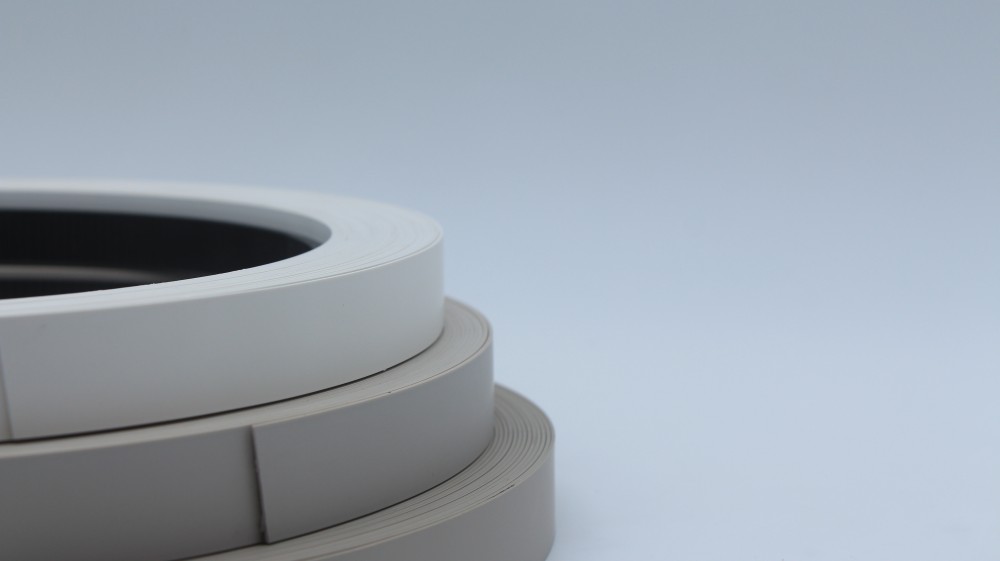
Here is a detailed breakdown of the durability characteristics for the most common finishes:
1. Acrylic/PMMA Top Layer (The Most Durable)
This is considered the premium standard for high-end furniture. A clear, hard layer of Acrylic (PMMA) is co-extruded or laminated onto the PVC.
- Scratch Resistance: Excellent. It is significantly harder than standard PVC. It resists damage from keys, coins, and general knocks.
- Wear Resistance: High. It maintains its appearance even after years of use in high-traffic areas (like kitchen islands or office desks).
- Chemical Resistance: Good. It resists household cleaners, oils, and solvents better than standard painted finishes.
- Anti-fouling: Because it is non-porous and smooth, stains (like coffee or ink) do not penetrate easily and can be wiped off.
- Downside: It is more expensive. If it does get a deep scratch, it can be more noticeable due to the high gloss or clarity.
2. High-Gloss Finish (UV Cured)
High-gloss edges are usually coated with a special UV-cured paint or have an acrylic layer.
- Scratch Resistance: Moderate to High. The UV coating adds hardness, but the reflective nature of the surface makes micro-scratches very visible over time.
- Heat Resistance: Good. The UV coating provides a protective barrier against hot mugs or appliances.
- Durability Note: While the material itself is tough, the aesthetic durability suffers because fine scratches will dull the shine over time.
3. Embossed Wood Grain (Standard PVC)
This is the most common finish for cabinetry. The texture is physically pressed into the PVC, and the color is printed.
- Scratch Resistance: Moderate. Standard PVC is softer than Acrylic. Sharp objects will leave marks.
- Camouflage Effect: Excellent. Because the surface has a rough, textured pattern (embossing), fine scratches and scuffs are often hidden within the grain lines. This makes it look more durable than it actually is.
- Wear Pattern: Over time, heavy friction (e.g., sliding objects across the edge) will wear down the embossed texture, making the edge look shiny and smooth in specific spots.
4. Matte & Satin Finish
Matte finishes have a low-sheen surface, often achieved through special additives or coatings.
- Scratch Resistance: Moderate. Similar to standard PVC.
- Aesthetic Durability: High. Like wood grain, the low-reflective surface hides scratches and scuffs very well. It is much more forgiving than high-gloss.
- Chemical Resistance: Varies. Some matte finishes use a "soft-touch" coating which can be slightly more sensitive to certain solvents or oily fingerprints.
5. "Soft Touch" / Velvet Finish
This is a specialized finish designed to feel like suede or skin.
- Scratch Resistance: Low. The soft coating is easily marred by sharp objects.
- Durability: This finish is chosen for luxury feel, not heavy wear. It can become shiny in high-contact areas over time.
- Cleaning: Requires gentle cleaning; harsh scrubbing can remove the soft texture.
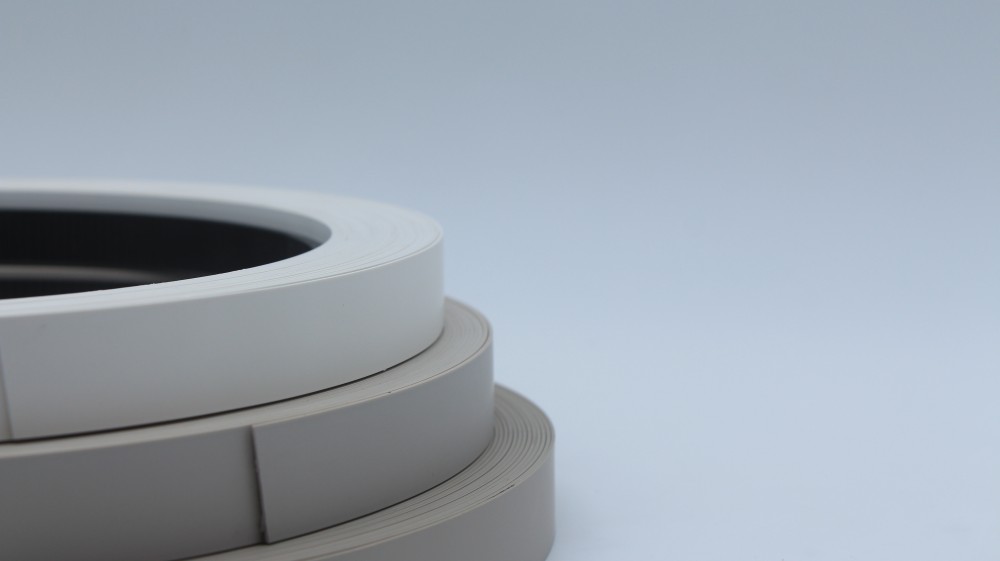
6. Solid Color (Co-extruded vs. Painted)
- Painted/Surface Printed: The color is only on the surface. If scratched deeply, you will see the white core of the PVC (ghosting). Durability is limited to the thickness of the ink.
- Co-extruded (Solid Through): The color runs through the entire thickness of the PVC.
- Durability: Highest. Even if the edge is deeply scratched or trimmed, the color remains consistent. It never shows a white line.